


Products
PRODUCTS You are here:Home >> Products >> Tuning >> Volkswagen (Tuning)
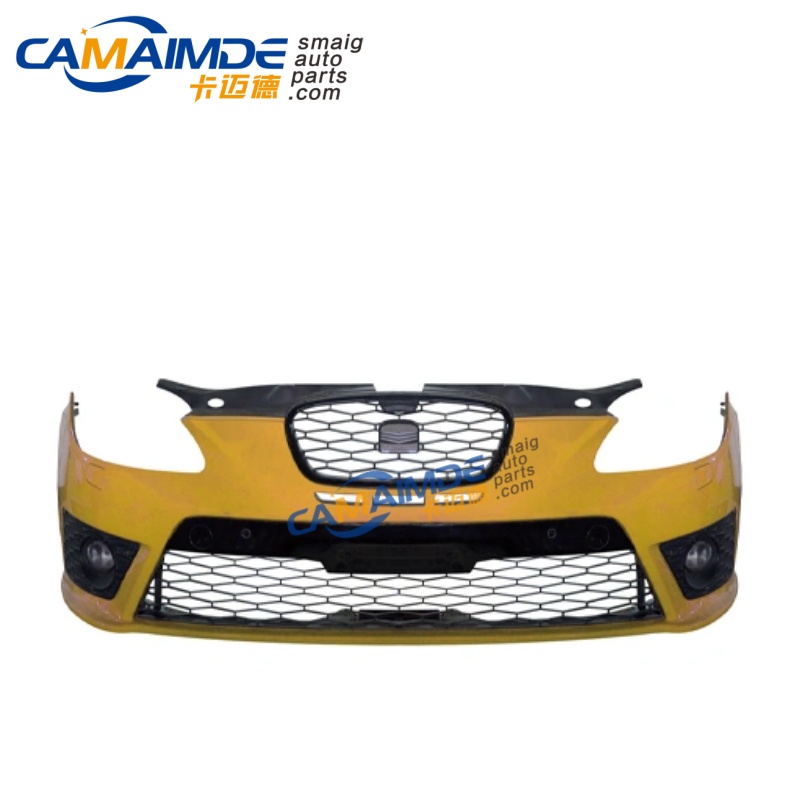
Front Bumper Car For 10-13 LEON CUPRA
 Product Overview
product
searchProducts
Type0086 0531-55550765
Product parameter introduction:
| Product Name | Front Bumper For 10-13 LEON CUPRA |
| Model No. | TC-10LN-CR001 |
| Material | PP, ABS |
| Car Model | For 10-13 LEON CUPRA |
| QTY/CTN | 1 SET |
| Installation method | Original car socket docking, non-destructive installation |
| Features | Car Replacement Parts |
When it comes to car maintenance, the bumper often plays a crucial role in the vehicle’s overall safety and aesthetics. Whether it’s a minor scratch or a severe dent, understanding how to handle front bumper issues can save you time and money. This guide will explore everything you need to know about front bumper car repairs, from costs to methods of fixing them.
The front bumper is the part attached to the front end of a car. It is designed to absorb impact in minor collisions and protect the vehicle’s front. The bumper is both a safety feature and a key aesthetic component, often giving the vehicle its distinctive look.
The front bumper isn’t just a simple piece of material attached to your car. It serves multiple functions that are crucial for the longevity and functionality of the vehicle. Primarily, it acts as the first line of defense during collisions, absorbing shocks and minimizing damage to the more expensive parts of the car, like the engine and the radiator. Additionally, it contributes to the vehicle’s aerodynamics, which can affect fuel efficiency.
Over the years, the design and materials used in front bumpers have evolved significantly. What started as a simple metal bar has transformed into a complex, multi-layered component made of plastic, fiberglass, or carbon fiber. This evolution not only enhances the safety features but also allows manufacturers to create sleeker designs that contribute to the car’s overall aesthetic appeal.
Modern bumpers are typically made from a combination of materials, each chosen for its specific properties. Plastic is commonly used for its lightweight and flexibility, which aids in absorbing impacts. Fiberglass can be found in higher-end models for its superior strength-to-weight ratio. Understanding the material composition is essential as it influences the repair methods and costs associated with the bumper.
The front bumper is integral to the vehicle’s safety system. It is designed to absorb impact forces and protect vital components of the car’s front end, such as the radiator and headlights. In more severe accidents, the bumper’s ability to crumple can reduce the force transmitted to the occupants, potentially reducing injuries.
Aesthetically, the bumper is often one of the first things people notice about a car. Its design can enhance the vehicle’s appearance, giving it a sleek, modern look or a rugged, robust feel, depending on the model. A well-maintained bumper complements the car’s overall design and can be a point of pride for car owners.
A front bumper in good condition can significantly affect a car’s resale value. Potential buyers often judge a car’s condition by its exterior appearance, and a damaged bumper can be a red flag indicating poor maintenance or past accidents. Conversely, a pristine bumper suggests the car has been well cared for, potentially increasing its market value.
Front bumpers are susceptible to various types of damage, including:
These are the most common issues, typically resulting from minor collisions or parking mishaps. While they might seem trivial, they can affect the car’s appearance and resale value. Dents can also lead to structural weaknesses over time, mainly if they are not addressed promptly. Regular inspection and timely repair can prevent these minor issues from escalating into more significant problems.
Cracks can occur from more severe impacts and often require immediate attention to prevent further damage. A cracked bumper not only poses safety risks but can also lead to further complications, such as misalignment of the car’s frame. Repairing cracks promptly can save you from more extensive repairs in the future and maintain the integrity of your vehicle’s safety features.
Paint can chip off due to scratches, dents, or exposure to harsh weather conditions, leading to rust if not addressed promptly. Regular maintenance, such as waxing and cleaning, can help prevent paint damage. If the paint is already damaged, it’s crucial to address it quickly to avoid rust, which can spread and cause structural damage to the bumper and surrounding areas.
Most modern car bumpers are made of plastic, which can be challenging to repair. Here’s a step-by-step guide:
Before you begin any repairs, assess the extent of the damage. Is it a small scratch, a dent, or a crack? This will determine the tools and materials you’ll need. For minor scratches, a simple touch-up might suffice, but for larger dents or cracks, you might need professional help. Understanding the extent of the damage helps in planning the repair process effectively.
You’ll need:
Sandpaper
Plastic filler
Primer and paint
A clean cloth
Gathering the right materials beforehand ensures a smooth repair process. It’s essential to choose the correct grade of sandpaper and filler to match the bumper’s material. Investing in high-quality primer and paint can make a significant difference in the final result, ensuring the repaired area blends seamlessly with the rest of the bumper.
Clean the damaged area with a cloth and sand it down to remove any rough edges. This will help the filler adhere better. Ensuring the area is free from dirt and grease is crucial, as contaminants can hinder the adhesion of the filler and paint. Taking the time to sand the area thoroughly ensures a smooth finish and a professional-looking repair.
Apply the plastic filler to the damaged area, smoothing it out with a spatula. Allow it to dry completely. When applying the filler, it’s essential to work in thin layers, allowing each layer to dry before applying the next. This technique prevents sagging and ensures a strong bond between the filler and the bumper.
Once the filler has dried, sand it down to make it even with the rest of the bumper. Apply primer and then paint to match the car’s color. Matching the paint color is crucial for a seamless finish. Purchase paint from the car manufacturer or a specialized auto paint shop to ensure a perfect match. Taking the time to sand and paint carefully can make the repair virtually invisible.
Buff the area to ensure a smooth finish, and polish the entire bumper for a uniform look. Buffing not only enhances the appearance but also adds a layer of protection to the paint. Polishing the whole bumper ensures that there are no noticeable differences in texture or shine between the repaired area and the rest of the bumper, achieving a professional-grade finish.
The cost to repair a car bumper varies depending on the extent of the damage and the type of vehicle. Here’s a breakdown:
DIY Repairs: $50 – $150 for materials.
Professional Repairs: $100 – $300.
Minor scratches and dents can often be handled with DIY methods, provided you have the right tools and materials. However, professional repairs can offer a more polished finish and are worth considering if you’re unsure about your skills. Weighing the cost against the potential improvement in the car’s appearance and resale value can help in making the decision.
Professional Repairs: $300 – $700.
Replacement: $500 – $1,500, depending on the car model.
For more severe damage like cracks, professional repairs might be necessary to ensure safety and structural integrity. In some cases, replacement might be more cost-effective, significantly, if the damage compromises safety features. Considering the long-term implications of repairs versus replacement is essential for making an informed choice.
Several factors can influence the cost of bumper repairs, including the car’s make and model, the severity of the damage, and the choice between OEM and aftermarket parts. Labor costs can also vary significantly based on location and the repair shop’s reputation. Understanding these factors can help you budget more accurately and choose the best repair option.
Sometimes, repairing a bumper isn’t cost-effective, especially if the damage is extensive. Consider a replacement if:
The bumper is severely cracked or deformed. In such cases, repairing might not restore the bumper’s structural integrity, making replacement the safer option. Assessing the extent of damage with a professional can provide clarity on the best course of action.
Repair costs exceed the price of a new bumper. It’s crucial to compare the estimated repair costs with the cost of a replacement, factoring in potential long-term benefits. A new bumper might offer better safety features or a longer lifespan, justifying the initial expense.
Safety features like sensors are compromised. Modern bumpers often contain sensors and other technological features integral to the vehicle’s safety systems. If these are damaged, replacement ensures that the car’s safety is not compromised, maintaining its protective capabilities.
Finding a bumper that fits your car model is crucial for both aesthetics and safety. Here are some tips:
Retailers like AutoZone or online platforms like Amazon often have a wide range of bumpers for various car models. These platforms provide detailed descriptions and customer reviews, helping you make an informed decision. Comparing prices across different retailers can also help in finding the best deal.
OEM (Original Equipment Manufacturer): These are made by the car manufacturer and ensure a perfect fit. While generally more expensive, OEM parts guarantee compatibility and often come with a warranty.
Aftermarket: These are usually cheaper but may not fit as perfectly as OEM parts. They can offer customization options that might not be available with OEM parts. Evaluating the pros and cons of each type can help in choosing the right bumper for your needs.
If you’re unsure about the right fit, consult a mechanic or a car parts specialist. They can provide valuable insights into the best options based on your car’s specifications and budget. Professional advice can prevent costly mistakes and ensure the chosen bumper enhances your car’s safety and aesthetics.
Regular maintenance can extend the life of your bumper and keep your car looking new.
Wash your bumper regularly to remove dirt and grime that can lead to paint damage. Gentle, non-abrasive cleaners can prevent scratches while removing contaminants that can cause long-term damage. Regular cleaning also allows you to inspect the bumper for any signs of damage.
Waxing your bumper can protect the paint and keep it shiny. Applying high-quality wax creates a barrier against environmental factors like UV rays and pollutants. Regular waxing sessions also enhance the bumper’s appearance, making it look newer for longer.
Be mindful when parking to avoid minor collisions that can cause scratches and dents. Practicing safe driving habits and using parking aids can minimize the risk of damage. Being cautious and aware of your surroundings can save you from unnecessary repairs and maintain your bumper’s integrity.
Understanding your car’s bumper, its importance, and how to handle repairs can save you both time and money. Whether you’re dealing with a minor scratch or contemplating a complete replacement, knowing your options will help you make informed decisions. Remember, a well-maintained bumper not only enhances your car’s appearance but also ensures your safety on the road. By investing time in regular maintenance and making informed repair or replacement choices, you can prolong the life of your car’s bumper and maintain its value.
0086 0531-55550765
 24Hour
Smaig Automotive Parts Manufacturing (Shandong) Co., Ltd., Copyright © 2025 XML
 Previous Product:
 Return to Product List
