


Products
PRODUCTS You are here:Home >> Products >> Tuning >> Volkswagen (Tuning)
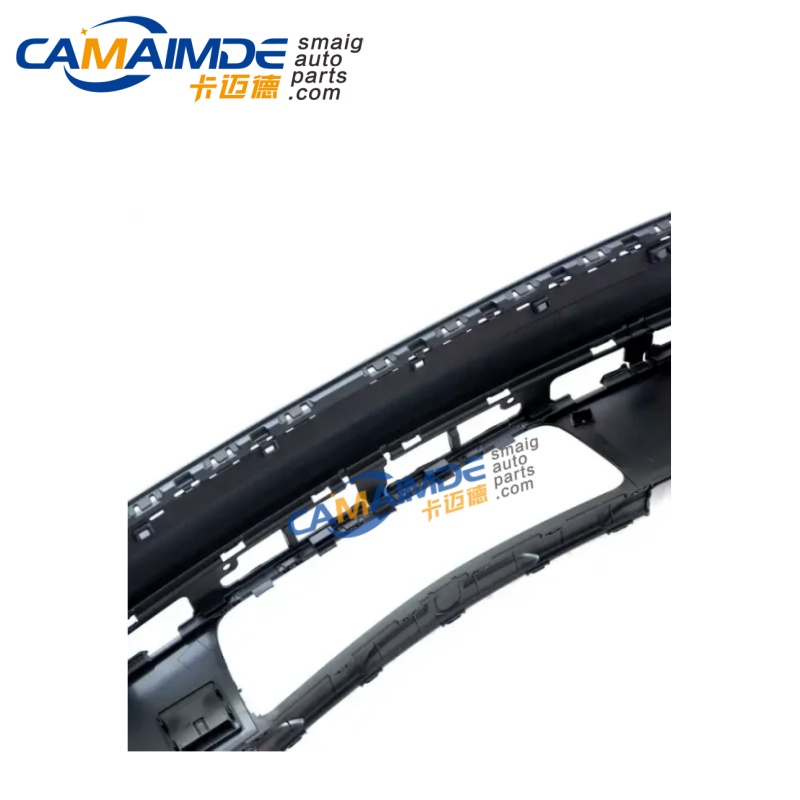
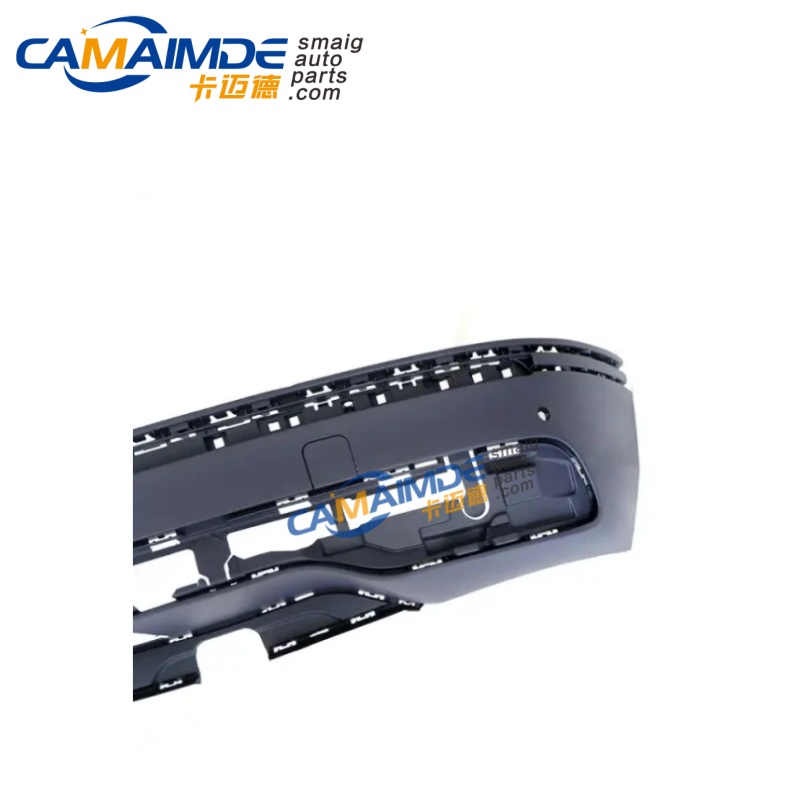
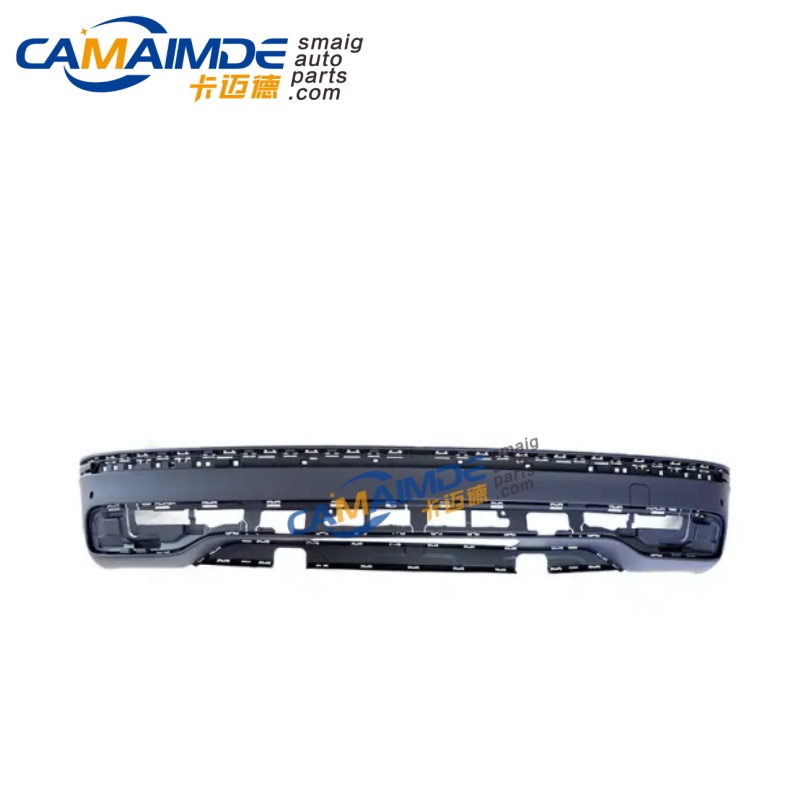
Car Bumper Absorber Volkswagen Tiguan R line auto parts rear bumper 2021
 Product Overview
product
searchProducts
Type0086 0531-55550765
Product Name | Car Parts Rear Bumper For VW 2021 Tiguan R line |
Material | ABS/PP |
Color | Picture Shows |
Application | Auto Parts |
When discussing vehicle safety, the conversation typically revolves around prominent features such as airbags, seat belts, or the Anti-lock Braking System (ABS). However, there exists a component that often escapes attention yet plays a pivotal role in vehicle safety—the car bumper absorber. This component is integral in mitigating damage during collisions and safeguarding passengers. In this article, we delve deep into the significance of car bumper absorbers, their operational mechanics, and their indispensable nature for every vehicle.

Car bumper absorbers are essential parts of the bumper assembly, strategically designed to enhance vehicle safety. Typically crafted from foam or plastic, they are positioned between the outer bumper cover and the vehicle’s frame. Their primary function is to absorb the energy generated during a collision, thereby lessening the impact force transmitted to the car and its occupants.
Car bumper absorbers are typically made from materials such as expanded polypropylene (EPP) or expanded polystyrene (EPS) foam. These materials are chosen for their lightweight, durable, and energy-absorbing properties. In recent years, the use of advanced polymers and plastics has further enhanced their efficiency and performance.
The choice of materials can vary based on the vehicle type and manufacturer specifications. Some high-end vehicles may incorporate more advanced composites for better performance. Understanding the material composition is crucial as it affects the absorber’s ability to compress and absorb energy efficiently.
Car bumper absorbers are meticulously designed to maximize their energy absorption capacity. Engineers employ computer-aided design (CAD) software to simulate collision scenarios and optimize the shape and structure of the absorbers. The design must consider factors such as the vehicle’s weight, speed capacity, and intended use.
Design innovations have led to more compact and efficient absorbers that enhance vehicle aesthetics without compromising safety. The integration of modular designs allows for more straightforward replacements and repairs, reducing downtime and costs for vehicle owners.
Car bumper absorbers do not work in isolation; they are part of a complex safety system. They are integrated with other components like sensors and crumple zones to provide comprehensive protection. In modern vehicles, absorbers may work in tandem with sensors that trigger airbag deployment, offering an additional layer of safety.
The integration process requires precise engineering to ensure all components function harmoniously during an impact. This collaboration between systems enhances the vehicle’s overall safety features, providing peace of mind to the driver and passengers.
When a vehicle experiences a minor accident, the car bumper absorber plays a vital role by compressing to absorb the impact. This compression process dissipates the energy produced during the collision, thereby reducing the force that reaches the car’s frame and interior. Consequently, the vehicle sustains less damage, and the likelihood of passenger injury is minimized.
The science of energy absorption involves transforming kinetic energy into another form, often heat, thereby reducing the energy transmitted through the vehicle. When an impact occurs, the bumper absorber compresses, converting collision energy into deformation. This process significantly reduces the velocity change experienced by the car, which is crucial in minimizing damage and injury.
Understanding the physics behind energy absorption allows manufacturers to design absorbers that efficiently handle different collision scenarios. Computational models and crash tests are employed extensively to predict and enhance the absorbers’ performance.

During a collision, the bumper absorber compresses in a controlled manner, absorbing the impact energy. The rate and extent of compression depend on the material properties and design of the absorber. Foam absorbers, for example, exhibit excellent compression characteristics, allowing them to absorb substantial impact energy without significant rebound.
The compression dynamics are crucial in determining the effectiveness of the absorber in protecting both the vehicle and its occupants. Properly engineered absorbers ensure that the energy is dissipated efficiently, preventing excessive force from reaching the car’s structural components.
The degree of deformation in the bumper absorber after a collision indicates the severity of the impact. In many cases, absorbers are designed to recover partially, maintaining some of their structural integrity. However, severe impacts may lead to permanent deformation, necessitating replacement.
The ability to recover from deformation is an essential feature, as it determines whether the absorber can continue to function effectively after a collision. Regular inspections and maintenance ensure that deformed absorbers are promptly replaced to maintain optimal safety standards.
Car bumper absorbers are indispensable for a multitude of reasons, all central to enhancing safety and performance.
The foremost purpose of car bumper absorbers is to shield passengers and pedestrians. By absorbing impact energy during a collision, these components play a crucial role in averting severe injuries and fatalities. They are also pivotal in pedestrian safety, reducing the risk of injury when a vehicle makes contact with a person.
For passengers, the absorber minimizes the force transferred to the vehicle’s interior, significantly lowering the risk of injury. This reduction in impact force means that other safety systems, like seat belts and airbags, are more effective. The combined effect of these systems provides comprehensive protection to occupants.
In urban environments, where pedestrian interactions are frequent, bumper absorbers contribute to safer streets. Their ability to absorb and dissipate energy reduces the severity of impacts with pedestrians, potentially saving lives. Manufacturers design absorbers to comply with pedestrian safety regulations, ensuring that vehicles are less hazardous in the event of an accident.
Numerous studies and real-world crash data underscore the importance of bumper absorbers in enhancing safety. Analysis of accidents where absorbers were present shows a marked reduction in injury severity. These case studies provide empirical evidence of their effectiveness, reinforcing the necessity of maintaining functional absorbers in vehicles.
Car bumper absorbers significantly curtail the extent of damage a vehicle sustains during a collision. By absorbing impact energy, they prevent the force from being transmitted to the car’s frame and other critical components. This reduction in force can save vehicle owners considerable repair costs and downtime.
The financial implications of reduced vehicle damage are substantial. By minimizing the impact on the vehicle’s frame and essential systems, absorbers lessen the need for costly repairs. This cost-effectiveness is a key consideration for vehicle owners, emphasizing the importance of maintaining functional absorbers.
A well-maintained vehicle with minimal collision damage retains its resale value better than one that has undergone extensive repairs. Bumper absorbers play a crucial role in preserving the vehicle’s structural integrity, making it more attractive to potential buyers. This preservation of value is an often-overlooked benefit of effective energy absorption systems.
Vehicles equipped with efficient bumper absorbers may benefit from lower insurance premiums. Insurance companies recognize the reduced risk of extensive damage and injury and potentially offer discounts to vehicle owners. This financial incentive further underscores the importance of maintaining properly functioning absorbers.
Car bumper absorbers contribute significantly to a vehicle’s overall performance. By minimizing damage during collisions, they help maintain the car’s structural integrity. This ensures the vehicle continues to perform optimally, providing a safe and comfortable driving experience.
The structural integrity of a vehicle is paramount for its performance and safety, and bumper absorbers help preserve this integrity by mitigating the force of impacts. A structurally sound vehicle handles better, responds predictably to driver inputs, and offers a stable ride, enhancing overall performance.
Bumper absorbers indirectly influence vehicle dynamics by maintaining the balance and alignment of the car’s components. A well-aligned vehicle offers better handling, improved fuel efficiency, and reduced tire wear, which contribute to a more enjoyable and cost-effective driving experience.
Vehicles equipped with effective bumper absorbers experience less wear and tear, contributing to their longevity. By reducing the impact of collisions, absorbers help maintain the vehicle’s condition over time. This longevity translates to lower ownership costs and a more reliable vehicle.
In addition to car bumper absorbers, another critical component of the bumper assembly is car bumper reinforcement. This component collaborates with the absorber to provide maximum protection during collisions.
Car bumper reinforcement is a metal or plastic bar situated behind the bumper cover. Its primary role is to offer additional support and strength to the bumper assembly, ensuring it can endure the forces generated during a collision.
Reinforcements are typically made from high-strength materials such as steel or aluminum, chosen for their durability and ability to withstand high-impact forces. The choice of material affects the reinforcement’s weight, cost, and performance, with manufacturers balancing these factors based on vehicle specifications.
The design of bumper reinforcement is crucial in maximizing its protective capabilities. Engineers use advanced modeling techniques to design reinforcements that distribute impact forces efficiently across the bumper assembly. The structure must balance rigidity and flexibility to absorb and transfer energy effectively.
Bumper reinforcements are integrated with the vehicle’s safety systems, working in tandem with sensors and absorbers. This integration ensures that all components function cohesively during an impact, providing a comprehensive safety solution. The reinforcement acts as the backbone of the bumper assembly, enhancing its overall performance.
During a collision, the car bumper reinforcement distributes the impact force across the entire bumper assembly. This distribution helps prevent localized damage and ensures the car bumper absorber can effectively absorb the impact energy. Consequently, both components collaborate to protect the vehicle and its occupants.
The mechanics of force distribution involve spreading the impact force over a larger area, reducing the stress on any single point. This distribution is crucial in preventing localized failures that could compromise the vehicle’s safety. Reinforcements are designed to manage various impact angles and forces, providing robust protection.
Reinforcements and absorbers work together to manage collision forces. While the absorber compresses to dissipate energy, the reinforcement maintains the structural integrity of the bumper assembly. This collaboration ensures that both components fulfill their roles effectively, enhancing overall safety.
Extensive testing and case studies validate the effectiveness of bumper reinforcements. Crash tests demonstrate how well-designed reinforcements distribute forces, reducing damage and injury. These studies provide valuable insights for manufacturers, guiding the development of more efficient safety systems.
There are several types of car bumper absorbers, each crafted to meet specific vehicle requirements. Some common types include:
Foam bumper absorbers are made from lightweight, energy-absorbing material. They are designed to compress upon impact, effectively dissipating the energy generated during a collision. Foam absorbers are frequently used in passenger vehicles due to their cost-effectiveness and efficiency.
Foam absorbers are typically composed of expanded polypropylene or expanded polystyrene, materials known for their excellent energy absorption characteristics. Foam’s lightweight nature makes it ideal for maintaining vehicle efficiency while providing robust protection.
The affordability of foam absorbers makes them a popular choice for manufacturers and consumers alike. They offer an effective solution for energy absorption without significantly increasing production costs. This cost-effectiveness contributes to their widespread use in passenger vehicles.
While foam absorbers offer numerous benefits, they may not be suitable for all vehicle types. Larger vehicles or those designed for high-performance applications may require more robust materials. Understanding the limitations of foam absorbers is crucial for selecting the appropriate solution for specific vehicle needs.
Plastic bumper absorbers are made from durable, impact-resistant materials. They provide excellent energy absorption and are often employed in commercial vehicles and SUVs. Plastic absorbers can withstand higher impact forces, making them ideal for larger vehicles.
The use of advanced plastics in bumper absorbers offers several advantages, including durability and impact resistance. These materials can be engineered to provide specific performance characteristics, allowing for customization based on vehicle requirements.
Plastic absorbers are particularly suited for larger vehicles, where higher impact forces are a consideration. Their ability to withstand substantial forces makes them ideal for commercial applications and SUVs, where durability is a priority.
Technological advancements have led to the development of new plastic composites that enhance the performance of bumper absorbers. Innovations such as reinforced plastics and hybrid materials offer improved energy absorption and durability, expanding the potential applications of plastic absorbers.
Metal bumper absorbers are crafted from lightweight metals like aluminum or steel. They offer superior strength and durability, making them suitable for high-performance vehicles and heavy-duty applications. Metal absorbers provide excellent protection during high-impact collisions.
Metal absorbers are valued for their strength and ability to withstand high-impact forces. The use of metals like aluminum and steel provides a robust solution for energy absorption, ensuring maximum protection for both the vehicle and its occupants.
High-performance vehicles demand absorbers that can handle extreme conditions. Metal absorbers are ideal for these applications, providing the necessary strength and durability to protect the vehicle’s structural integrity during high-speed impacts.
The use of metal absorbers presents challenges, including increased weight and cost. Manufacturers address these issues by employing lightweight alloys and innovative designs to optimize performance. Continued research and development in materials science aim to enhance the capabilities of metal absorbers further.
Car bumper absorbers can suffer damage over time or due to a collision. Recognizing the signs of a damaged absorber is crucial for ensuring vehicle safety. Some common indicators include:
Inspect the bumper for visible damage signs, such as cracks, dents, or deformities. These can signify that the absorber has been compromised and may not provide sufficient protection during a collision.
Cracks and deformities in the bumper absorber are clear signs of potential damage. These issues can compromise the absorber’s ability to compress and absorb energy, increasing the risk of damage and injury during a collision.
While minor scratches and scuffs may not immediately indicate severe damage, they can be precursors to more significant issues. Regular inspections help identify these early signs, allowing for timely repairs and maintenance.
Not all visible damage necessitates immediate replacement. Assessing the severity of the damage is crucial for determining the appropriate course of action. Consulting a professional can provide valuable insights into whether repairs or replacements are necessary.
Listen for unusual sounds, such as rattling or scraping, when driving. These noises can indicate that the absorber is damaged or improperly seated, affecting its ability to absorb impact energy.
Unusual sounds can originate from various components within the bumper assembly. Identifying the source of the noise is essential for diagnosing potential issues with the absorber. Professional inspections can pinpoint the problem and suggest appropriate solutions.
Loose components within the bumper assembly can cause rattling sounds, compromising the absorber’s effectiveness. Ensuring that all parts are securely fastened is crucial for maintaining the integrity of the bumper system.
Ignoring unusual sounds can lead to more severe issues over time. Addressing these noises promptly helps prevent further damage and ensures that the absorber continues to function correctly.
A damaged car bumper absorber can impact a vehicle’s handling and stability. If you notice changes in how your vehicle drives, it’s essential to have the absorber inspected by a professional.
A compromised bumper absorber can affect the vehicle’s steering and control, leading to a less stable driving experience. These changes can increase the risk of accidents, emphasizing the need for prompt inspections and repairs.
Damaged absorbers that fail to distribute impact forces effectively can cause handling and stability issues. These issues can affect the vehicle’s alignment and balance, leading to uneven tire wear and reduced performance.
Professional inspections are crucial for diagnosing and handling issues related to bumper absorbers. Experienced technicians can identify underlying problems and recommend appropriate solutions to restore the vehicle’s performance.
Regular maintenance and timely replacement of car bumper absorbers are vital for ensuring vehicle safety. Here are some tips for maintaining and replacing these components:
Conduct regular inspections of your car’s bumper assembly, checking for signs of damage or wear. This practice can help identify potential issues before they escalate into significant problems.
Regular inspections should be conducted at routine intervals, such as during oil changes or tire rotations. These inspections help maintain the vehicle’s safety features and identify potential issues early.
During inspections, check for visible damage, unusual sounds, and any signs of wear or misalignment. A comprehensive inspection covers all components of the bumper assembly, ensuring that everything is in proper working order.
While DIY inspections can identify obvious issues, professional inspections provide a more thorough analysis. Professionals have the tools and expertise to diagnose complex problems and recommend effective solutions.
If you find a damaged or worn car bumper absorber, it’s crucial to replace it promptly. Delaying replacement can compromise vehicle safety and increase the risk of injury during a collision.
Recognizing when an absorber requires replacement is crucial for maintaining vehicle safety. Signs such as severe deformation or persistent handling issues indicate that replacement is necessary.
Prompt replacement of damaged absorbers ensures that the vehicle’s safety features remain effective. This proactive approach reduces the risk of further damage and maintains the vehicle’s performance and integrity.
Selecting the correct replacement parts is essential for ensuring compatibility and performance. Consult with professionals or refer to the vehicle’s specifications to choose appropriate absorbers that meet safety standards.
Consult a professional mechanic or technician for guidance on maintaining and replacing car bumper absorbers. They can provide expert advice and ensure your vehicle remains in optimal condition.
Finding qualified technicians with experience in bumper systems is crucial for ensuring effective repairs and replacements. Look for certified professionals with a proven track record in vehicle safety and maintenance.
Professional guidance provides valuable insights into maintaining and replacing absorbers, ensuring that all safety standards are met. Technicians can recommend the best practices for preserving the vehicle’s safety features and performance.
Developing long-term maintenance strategies with professional assistance ensures that the vehicle remains safe and reliable. Regular check-ups and timely interventions help extend the vehicle’s lifespan and reduce ownership costs.
Car bumper absorbers are a vital component of vehicle safety, protecting passengers, pedestrians, and the vehicle itself during collisions. By comprehending their importance and ensuring they are well-maintained, you can elevate your vehicle’s performance and safety. Remember to routinely inspect your car’s bumper assembly and consult a professional for any necessary repairs or replacements. Prioritizing the care of your car bumper absorber will not only keep you safe but also save you money in the long run.
We are proud to present the professional grade rear bumper kit for 2021 Volkswagen Touareg R series models, which is designed to be a strong safeguard and personalized upgrade for the rear safety of your car with its excellent protection performance and precise model fitment.
Perfect model fit: This rear bumper is specially developed for Volkswagen Touareg R 2021, strictly following the original data for mold making, to ensure a perfect fit with the original rear structure of the car, so that it can be replaced and installed directly without modification.
Factory-grade quality assurance: made of the same standard high-strength weather-resistant materials as the original, through multiple processes to ensure that the bumper has excellent impact resistance, corrosion resistance and long service life, effectively preventing daily wear and tear and accidental collision damage to the vehicle.
Integrated design: integrated rear fog lamps, reversing radar and other key functional interfaces, to ensure that the replacement of the bumper does not affect the normal operation of the vehicle’s original functions, while taking into account the aesthetic and practical.
Optimized aerodynamics: The overall contour of the rear bumper is aerodynamically optimized, which can effectively reduce wind resistance and driving noise, and enhance the stability and fuel economy of the vehicle when driving at high speed.
Personalized and sporty style: Following the sporty design language of the Volkswagen Touareg R series, the bumper has smooth lines and exquisite details, which not only enhances the dynamic atmosphere of the whole vehicle, but also shows the owner’s unique taste and extraordinary style.
Simple installation process: Equipped with a full range of installation accessories and detailed installation guide, users can easily and quickly complete the replacement of the bumper, the whole process without complex operation.
As a tailor-made rear bumper for Volkswagen Touareg R 2021 model, it not only provides vital safety and security, but also enhances the harmony and integrity of the vehicle’s overall appearance. It represents the perfect blend of safety, durability and design aesthetics, giving your car a more distinctive and personalized look while maintaining superior performance.
All in all, this Rear Bumper Kit is ideal for upgrading the rear protection of your Volkswagen Touareg R 2021, adding real peace of mind and confidence to your driving life. Shop now and have solid protection for every trip!
 Previous Product:Head Lamp For 17 Leon/FR
 Return to Product List
Next Product:Tail Lamp For 17 Leon/FR
0086 0531-55550765
 24Hour
Smaig Automotive Parts Manufacturing (Shandong) Co., Ltd., Copyright © 2025 XML